Essential Tips for Taking Stunning Foal Photos
Recent interest in equine photography has surged alongside the rise of social media platforms dedicated to farm life, breeding, and animal welfare. Foals—with their gangly legs, expressive eyes, and fleeting moments of playful energy—are a favorite subject. This analysis examines the key considerations, common pitfalls, and emerging best practices for capturing memorable foal photographs, framed as a neutral overview of current trends and user concerns.
Recent Trends in Foal Photography
Photographers are increasingly turning to natural-light sessions at dawn or dusk to avoid harsh shadows and to capture the soft glow that complements a foal’s coat. Smartphone cameras now offer portrait modes and burst settings that help freeze rapid movement, yet dedicated DSLR or mirrorless cameras remain common among serious enthusiasts. Social media hashtags such as #FoalFriday and #HorsePhotography have also driven interest, prompting even casual owners to seek better results.
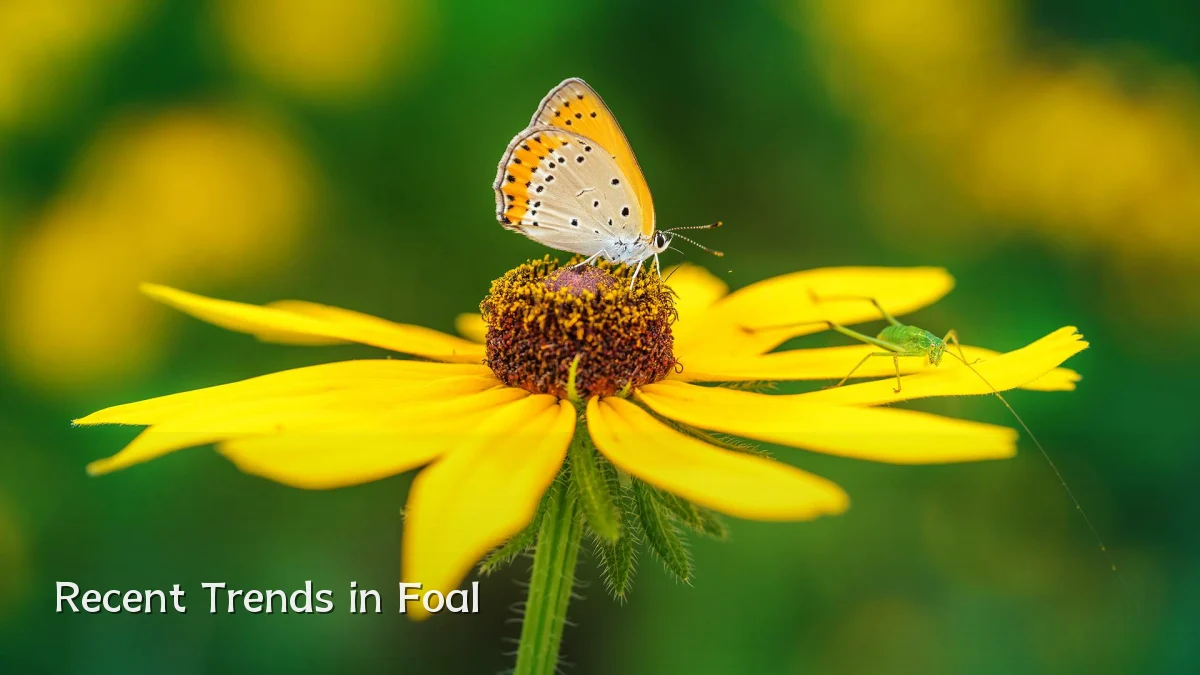
- Use of wide apertures (e.g., f/2.8–f/4) to blur backgrounds and emphasize the foal.
- Popularity of ground-level perspectives—placing the camera at the foal’s eye height.
- Increased awareness of safety: keeping a safe distance from the mare and avoiding sudden movements.
Background: Why Foal Photos Matter
Foals grow and change rapidly within their first weeks, making early documentation valuable for owners, breeders, and animal behavior enthusiasts. Beyond sentimental keepsakes, high-quality photos are also used for breeding evaluations, marketing, and veterinary records. The challenge lies in the subjects’ unpredictability: foals can be skittish, curious, or extremely active, requiring patience and a calm environment.
User Concerns in Practice
Common issues reported by amateur photographers include blurring from fast movement, poor lighting in barns or paddocks, and difficulty capturing the foal’s attention without startling it. Many wonder about the ideal camera settings or whether to use flash, which can frighten animals. Others worry about composition—how to frame a foal without distracting elements like fencing or mud.
- Movement blur: Use shutter speeds of 1/500s or faster; experiment with continuous autofocus tracking.
- Lighting: Avoid direct flash; instead, shoot near a window or outdoors during golden hour. Overcast days provide even, diffused light.
- Distractions: Move slowly, use a simple background (grass, plain fence), and crop tightly in post-processing if needed.
- Safety: Never separate a foal from its dam for long; keep interactions brief and calm.
Likely Impact on Practice and Equipment
As more owners seek better results, entry-level DSLR kits with telephoto zoom lenses (e.g., 70–200mm range) are becoming standard recommendations. Few will invest in professional gear, but understanding basic exposure and focus modes will likely improve overall quality. The trend toward “less is more”—using natural settings, minimal props, and spontaneous moments over posed shots—is expected to persist. Smartphone advancements, such as computational photography for motion and depth, may reduce the gap between casual and professional results.
What to Watch Next
Observers should note developments in animal‑friendly LED lighting that mimics sunlight without heat or flicker, and new apps offering AI‑based composition guides. Workshops on equine behavior and photography continue to grow online, with many focusing on low‑stress handling. Additionally, as drone photography becomes more accessible, aerial shots of foals in open pastures could become a niche trend—though safety and noise concerns must be considered.
Ultimately, the key to stunning foal photos lies in respecting the animal’s natural rhythm, mastering a few technical fundamentals, and staying adaptable when a foal decides to do something unexpected.